

Both a boom pump and a line pump do the same basic job: they move wet concrete from the lorry to where you really need it. The difference is the kind of work each one suits. As a rule, boom pump hire is the better pick for large, high, or hard-to-reach pours, while a line pump shines on smaller, tighter jobs. Choose the wrong one, and you can lose time, money, and a fair bit of patience on site. So here is a simple, practical guide to picking the right pump for your pour, your access, and your deadline.
Boom Pump vs. Line Pump at a Glance
Here is the quick comparison before we dig into the details:
| Factor | Boom Pump | Line Pump |
| Best for | Large, high, or distant pours | Small, simple, or tight pours |
| Reach | Up and over obstacles, to height | Ground level, indoors, basements |
| Volume | High, continuous flow | Lower, steady flow |
| Site access | Needs room for the lorry and legs | Fits compact, awkward sites |
| Speed | Very fast | Slower and more measured |
Boom Pump or Line Pump: Know the Difference
Both pumps move concrete from the lorry to the pour, but they are built for different conditions. Knowing how each one works makes the choice far easier.
What A Boom Pump Does
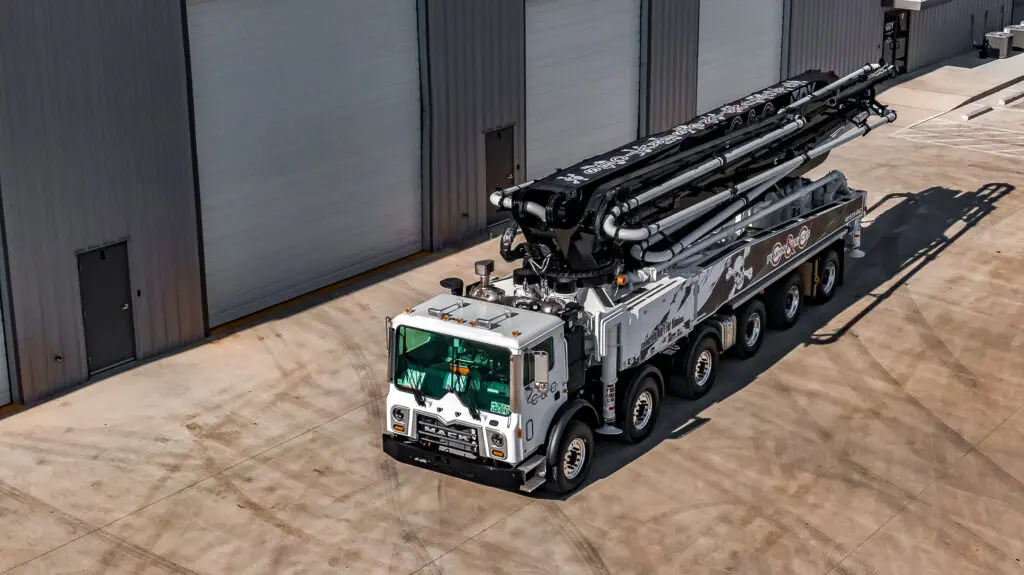
The boom pump is a lorry-mounted concrete pump with a long, hydraulic arm that folds out over a site. It places concrete quickly and precisely, with the operator steering the end hose by remote control. It is made for jobs where reach and speed are the priority:
- The arm clears buildings, fences, and landscaping with ease
- It lifts concrete to higher floors and across long distances in one go
- Its steady output keeps large pours flowing without breaks or cold joints
What a Line Pump Does
The line pump pushes concrete through flexible hoses laid along the ground. It is smaller, lighter, and far easier to manoeuvre, which makes it a flexible choice for awkward layouts:
- Flexible hoses snake through doorways and into tight or indoor spots a lorry cannot reach
- Its compact size suits smaller, simpler pours that need little height or volume
- It sets up fast and needs very little room on site
Choose Boom Pump Hire for Big, High, or Far Pours
Boom pump hire earns its keep whenever the pour is large or hard to serve from ground level. Reach for one in these situations:
- Large pours: Big volumes go down in a steady, continuous flow, keeping slabs, foundations, and sizeable jobs consistent
- High or distant pours: The arm reaches over obstacles and up to upper levels, which is ideal for multi-storey or elevated work
- Difficult access: When the lorry cannot get close to the pour, the boom places concrete where hoses or barrows would struggle
- Tight deadlines: Fast, continuous placement cuts manual handling and on-site congestion, keeping a busy schedule on track
The boom also reduces how much concrete the crew shifts by hand, which lowers fatigue and the risk of cold joints between loads. On a large pour, that steady flow can mean finishing in a morning instead of stretching the job across a full day, which is why most big commercial pours lean on a boom from the start.
Where a Line Pump Wins
The line pump is not the weaker option, just the right tool for different work. It often comes out ahead on the everyday jobs that need little height or long reach.
Jobs a Line Pump Handles Well
These are the pours where a line pump tends to shine:
- Small slabs, driveways, footpaths, and garage or shed bases
- Indoor floors and basements, where a hose routes more easily than a boom arm
- Tight urban sites with no room for a large lorry to park and set up
Where It Reaches Its Limits
The trade-off is power and reach. Line pumps move less concrete per hour and cannot lift it to any real height, so big or tall pours quickly outgrow them. Long hose runs can also lose pressure, which slows the pour further. For those bigger, higher jobs, a boom is the safer and faster bet.
How to Choose for Your Site
The right pump depends on the project, not the equipment alone. Run through three quick checks before you book:
- Size up the pour: Large volumes and big slabs point to a boom, while small, simple jobs sit comfortably with a line pump.
- Check the access and height: Open, tall, or distant pours call for a boom and its outriggers, while tight or indoor sites favour a line pump.
- Weigh the cost and space: A boom adds reach and speed, a line pump keeps setup lean, so match the choice to your budget and the room you have.
Get these three right and the decision tends to make itself. If you are still unsure, a good supplier can size the job from your measurements and steer you to the better option.
Takeaway
So, when should you use boom pump hire instead of a line pump? Choose a boom whenever the pour is large, high, far, or racing the clock, since its reach and speed handle those demands with ease. Stick with a line pump for smaller, tighter, or simpler work where reach is not the issue and space is short. Match the pump to the job in front of you, and boom pump hire quickly proves its worth on the pours that truly need it. There is no single best pump, only the best pump for the conditions on your site.
Still weighing it up? Pro-Mix Concrete runs both, so the choice does not rest on your shoulders alone. The London team supplies boom pumps and ground line pumps sized to the pour in front of you, each sent out with a trained operator who places the concrete cleanly and safely. They can bring the ready mix or mix on-site concrete along with the pump as well, so a single booking covers the whole job from mixer to finished slab. Once they know the size, the access, and the reach, they can point you straight to the pump that fits.
